The Power of Women’s Education in India
Women’s education in India is a powerful force for social development, economic growth, and gender equality. Educating women is not limited to academic learning—it empowers them with confidence, awareness, and the ability to shape a better future for themselves and the nation.
“शिक्षित महिला, सशक्त भारत।”
“नारी शिक्षित होगी, तभी देश प्रगति करेगा।”
An educated woman plays a crucial role in strengthening families and communities. Women’s education improves health awareness, reduces poverty, and increases participation in the workforce. Educated mothers are more likely to educate their children, making girls’ education in India one of the most effective ways to break the cycle of inequality.
In many parts of India, especially rural and economically weaker regions, women’s education still faces challenges such as early marriage, financial constraints, gender discrimination, and limited access to quality schools. These barriers continue to affect female literacy rates and slow down women’s empowerment.
“बेटी पढ़ेगी, तभी देश आगे बढ़ेगा।”
To overcome these challenges, the Government of India has introduced initiatives like Beti Bachao Beti Padhao, the Right to Education (RTE) Act, and Digital India, aimed at improving access to education for girls and promoting equality in the education system.
The importance of women’s education in India cannot be overstated. Educated women become confident decision-makers, skilled professionals, and responsible citizens. Empowering women through education leads to a healthier society, a stronger economy, and a progressive India.
When women are educated, India is empowered.
Author

itnnational66@gmail.com
Related Posts
🏆 Rohit Sharma Honoured with Padma Shri, Harmanpreet Kaur Also Receives Prestigious Award
Rohit Sharma Receives Padma Shri, Harmanpreet Kaur Also Honoured Indian Cricket Legends Get Nation’s Fourth-Highest Civilian Honour Indian cricket is celebrating a...
Read out allIndia Crush New Zealand in 3rd T20I — Chase Down 154 in Just 10 Overs! 🇮🇳🔥
IND vs NZ 3rd T20I Guwahati, 25 January 2026 — In a stunning display of power hitting and clinical cricket, India...
Read out all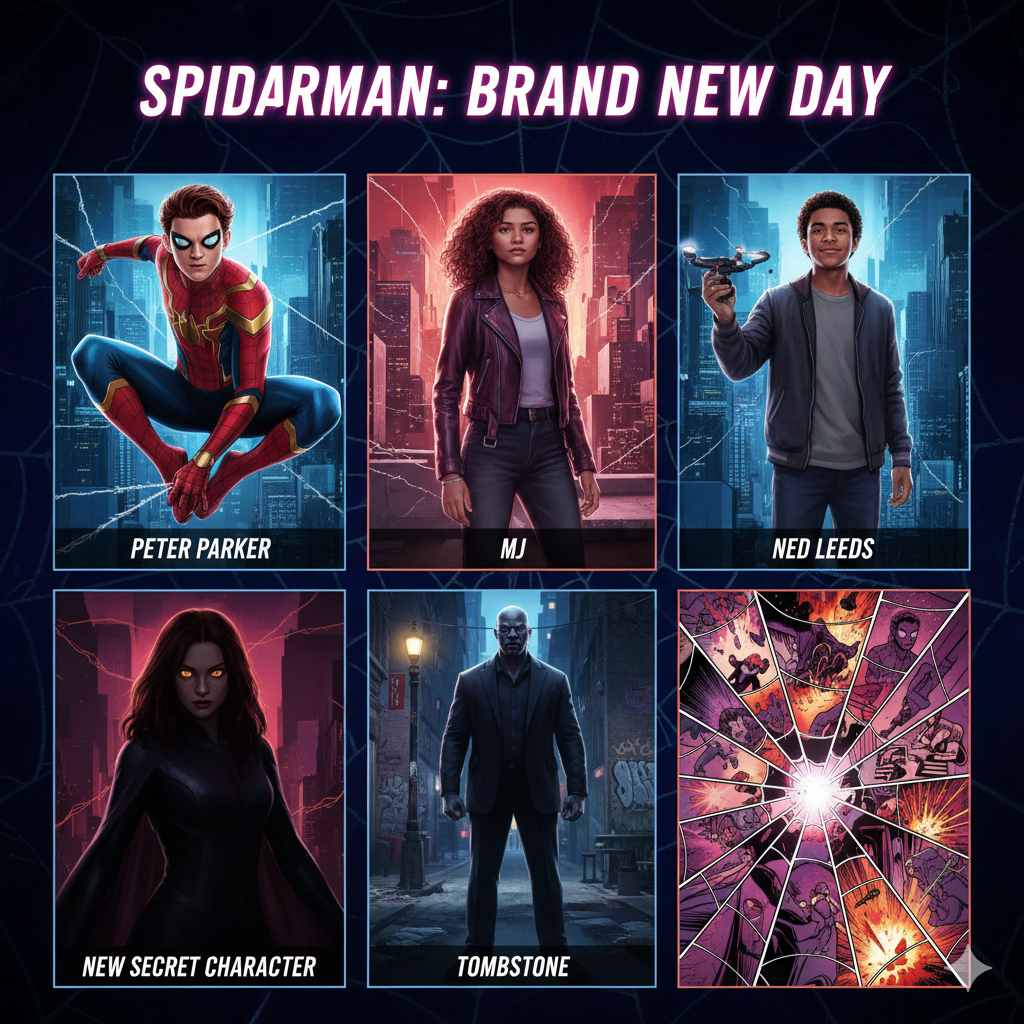
🕷️ Spider-Man: Brand New Day – Release, Cast, Plot, Rumors & Everything You Need to Know
🕷️ SPIDER‑MAN: BRAND NEW DAY — FULL ARTICLE 🗓️ Confirmed and Official Movie Status The next live‑action Spider‑Man movie, officially titled Spider‑Man:...
Read out all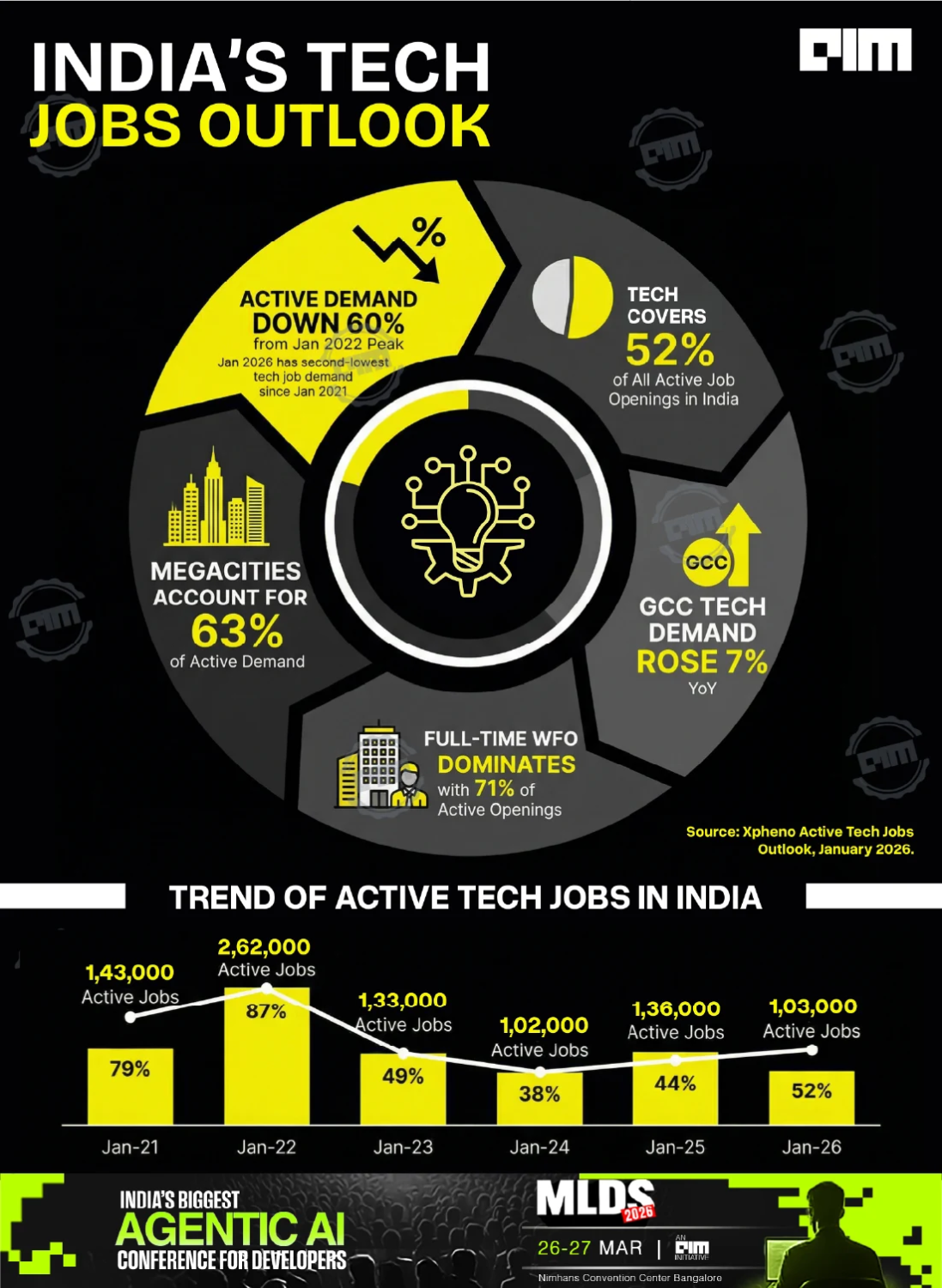
India’s Tech Hiring Paradox 2026: Layoffs Continue, Yet Job Opportunities Are Rising
India’s technology job market is sending mixed signals in 2026. While headlines continue to highlight layoffs across IT services and global tech...
The India vs New Zealand 2nd T20I match
The India vs New Zealand 2nd T20I match is currently in progress at the Shaheed Veer Narayan Singh International Stadium in Raipur. India won...
Read out allShivam Dube’s New Hairstyle Sparks Meme Fest on Social Media | Cricket Twitter Can’t Stop Laughing
Shivam Dube Trends for His Haircut, Not His Bat Indian cricketer Shivam Dube is once again in the spotlight — but this...
Read out all English